
Assess the reasoning behind the decision.
Ask learners to apply knowledge to a realistic dilemma, defend their answer and respond to new information. Review their explanations against your criteria, with AI feedback as support.
92%
Completion rate
70,000+
Learners
1,000+
Educators




From response to evidence
The same answer can hide very different reasoning.

1A learner response
A learner writes: I would delay the launch. The defect report is unresolved, and we do not yet know whether the affected units can be isolated. A delay costs sales, but I would reconsider if testing confirms we can ship a safe batch.
Choose an option above to see where it leads.
Bring it into the debrief
Use the explanation alongside the choice. Set criteria appropriate to your course, review the feedback and discuss how the reasoning could improve.
Illustrative example with prepared responses.
Design for evidence of understanding.
Start with the judgment you want learners to demonstrate. Build a situation that calls for it, then decide how you will review the response.
- 1
Define the learning criteria
Decide what a strong response should demonstrate and align the questions and grading guidance.
- 2
Ask for a decision and a reason
Combine choices with open responses so learners explain their assumptions and trade-offs.
- 3
Review and discuss the evidence
Use responses, feedback and performance to support instructor judgment and the debrief.
From educators using LiveCase
“The Move LiveCase allows students to make challenging decisions and manage performance while facing the pressures of time and team conflict. It’s engaging, practical, and results in impactful debrief discussions of lessons learned.”

Stephanie T. Solansky, Ph.D.
Assoc. Prof. of Management, Texas State
From learner response to instructor review.
Ask for explanations, configure grading guidance, and review performance. Your criteria and judgment remain central to the assessment.
Keep academic judgment in the loop.
Decisions with context
See responses to a specific situation, rather than evaluating a conclusion in isolation.
Feedback and grading
Configure grading guidance and AI feedback to support your learning objectives.
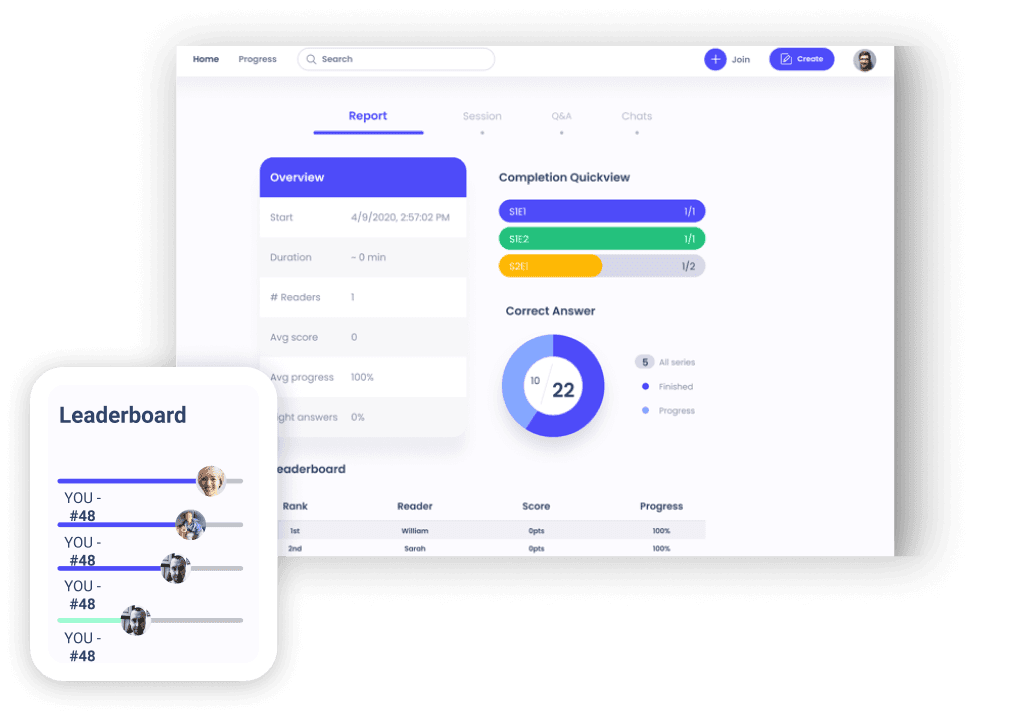
Participant and cohort views
Review progress and performance, then explore differences during the debrief.
Instructor review
Treat automated feedback as support for your assessment practice. Keep responsibility for consequential grading decisions with educators.
In the room, online or in your LMS.
Run live or asynchronously. Share a link or QR code, or work with your administrator to configure your LMS integration.
Watch LiveCase in action
Your material.
A whole new experience.
Take a closer look at creating a LiveCase and stepping inside one.
See how character conversations, decisions and feedback turn a case study into an experience learners take part in.
Know what happens before you commit.
Create and preview first
Authoring and previewing are free during early access. Learner delivery is paid, based on what your case includes. Organizations can ask about volume discounts.
See delivery pricingYour material stays yours
You retain your intellectual property. Keep your case private for your learners. Publishing through our partners is optional and subject to agreed terms.
Choose how much help you need
Review and edit the draft yourself, create manually, or have our studio help build the finished experience.
Explore studio supportPrefer an existing case? Explore relevant catalogue topics.
Questions, answered.
What is authentic assessment in LiveCase?
It means assessing how learners apply knowledge within a meaningful situation. A simulation can ask for a decision, an explanation and a response to new information, giving educators several forms of evidence to review.
Does LiveCase make assessment AI-proof?
No assessment format can guarantee that learners will not use outside assistance. LiveCase helps you design contextual decisions and reasoning tasks. Combine those with clear course expectations, instructor review and discussion.
Can AI grade learner responses?
LiveCase supports AI feedback and grading based on configured guidance. Review that guidance and the resulting feedback against your course criteria; educators remain responsible for the assessment decisions.
Can I use the results in a debrief?
Yes. LiveCase provides participant responses and performance information that can support discussion. Plan questions that help learners compare approaches and connect their decisions to the course concepts.
Build an assessment around your learning criteria.
Describe what a strong response should demonstrate. Build a dilemma and questions that make that understanding visible.