General
Three New LiveCase Simulations Now Available on Harvard Business Impact Education
Three new LiveCase simulations are now available on Harvard Business Impact Education, bringing immersive, decision driven learning to classrooms through real world scenarios in strategy, negotiation, and inclusion.
Experiential and immersive learning continues to evolve as educators look for ways to move beyond static cases and place learners inside real decision contexts. We are excited to share that three new LiveCase simulations are now available on Harvard Business Impact Education. Each experience places learners in complex leadership roles where judgment, communication, and strategic thinking matter. Together, these simulations reflect a shared commitment to immersive learning grounded in real organizational challenges.
Congratulations to the authors behind these cases and to the educators who bring them to life in classrooms around the world.
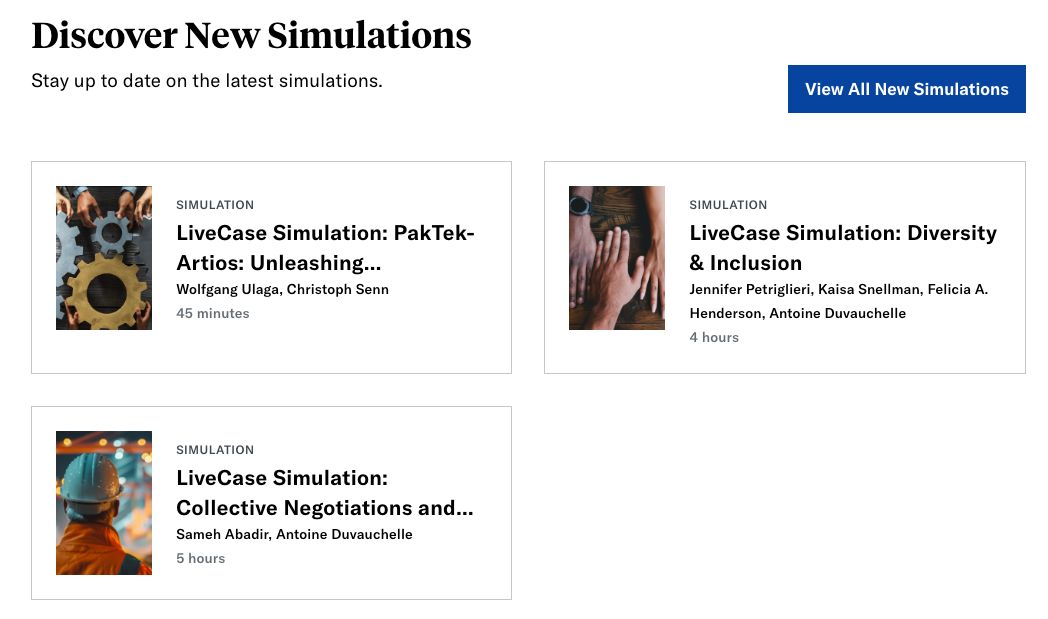
PakTek–Artios: Navigating B2B Growth Through Relationships
The PakTek–Artios LiveCase examines B2B growth decisions through a relationship based marketing lens. Authored by Wolfgang Ulaga and Christoph Senn at INSEAD and powered by LiveCase, this simulation places learners in the role of the newly appointed Chief Sales Officer at PakTek, a leading manufacturer of packaging and processing machinery.
Through interactive chats and video messages from colleagues and representatives at Artios, one of PakTek’s key customers, learners piece together a nuanced picture of the customer supplier relationship. They must identify opportunities to strengthen collaboration, safeguard the partnership, and generate increased value for both organizations.
The simulation brings to life the dynamics and tensions that define key account management. Using multimedia assets and interactive chat based decision making, it allows learners to experience how trust, communication, and strategic alignment drive long term B2B growth. The PakTek–Artios LiveCase can be delivered synchronously or asynchronously, online or in person, and is suitable for executive education, MBA, graduate level programs, and advanced undergraduate courses in B2B marketing, sales strategy, and management.
Collective Negotiations and the Port Authority: Managing Multi Stakeholder Complexity
Collective Negotiations and the Port Authority immerses learners in a high pressure, multi stakeholder negotiation environment. Authored by Sam Abadir and Antoine (Tony) Duvauchelle and written by the LiveCase Studio under the supervision of Sameh Abadir, Professor of Leadership and Negotiation at IMD, this simulation explores the realities of collective bargaining and value creation.
Set within the operations of a modern Port Authority, participants must balance competing interests across issues such as compensation, collaboration, infrastructure investment, and technological innovation. As negotiations unfold, learners are challenged to assess their Best Alternative to a Negotiated Agreement, adapt to shifting dynamics, and uncover opportunities to expand the negotiation pie.
The experience emphasizes strategic thinking, active listening, and creative problem solving. Learners face moments of tension that require judgment and clarity rather than scripted responses. Designed for undergraduate, MBA, and executive learners, the simulation works effectively in both in person and online settings.
Diversity and Inclusion: Leading Cultural Change Under Pressure
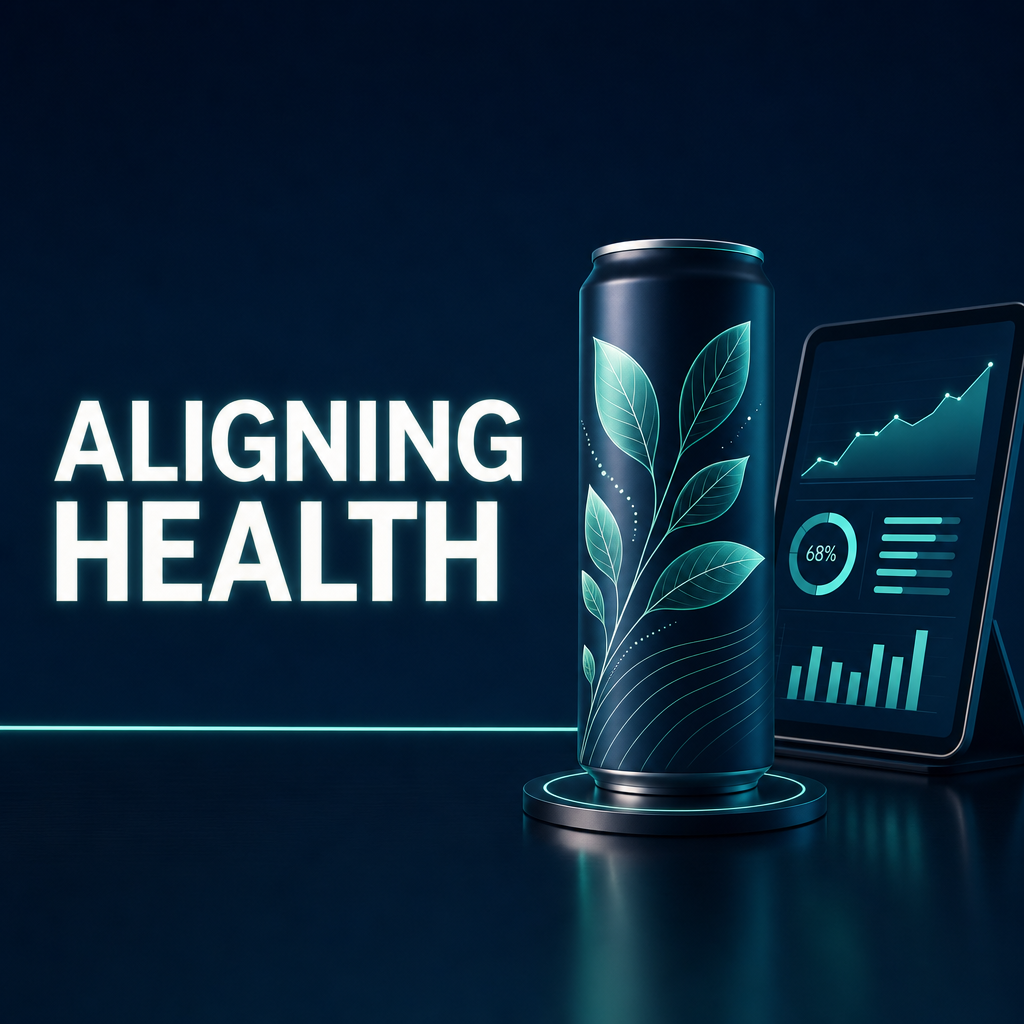
Diversity and Inclusion places learners in senior leadership roles at Zing, a fictional global beverage company facing deep cultural challenges. Authored by Jennifer Louise Petriglieri, Kaisa Snellman, Felicia A. Henderson, and Antoine (Tony) Duvauchelle, this LiveCase focuses on organizational decision making in moments of vulnerability and change.
The scenario begins with the sudden resignation of Zing’s Product Innovation Officer, who cites marginalization and a lack of true inclusion. Learners serve on a task force convened by the CHRO to assess the organization’s diversity and inclusion environment and recommend concrete steps forward. They examine qualitative and quantitative inputs, identify gaps between stated values and lived experiences, and define objectives, metrics, and targets to guide meaningful change.
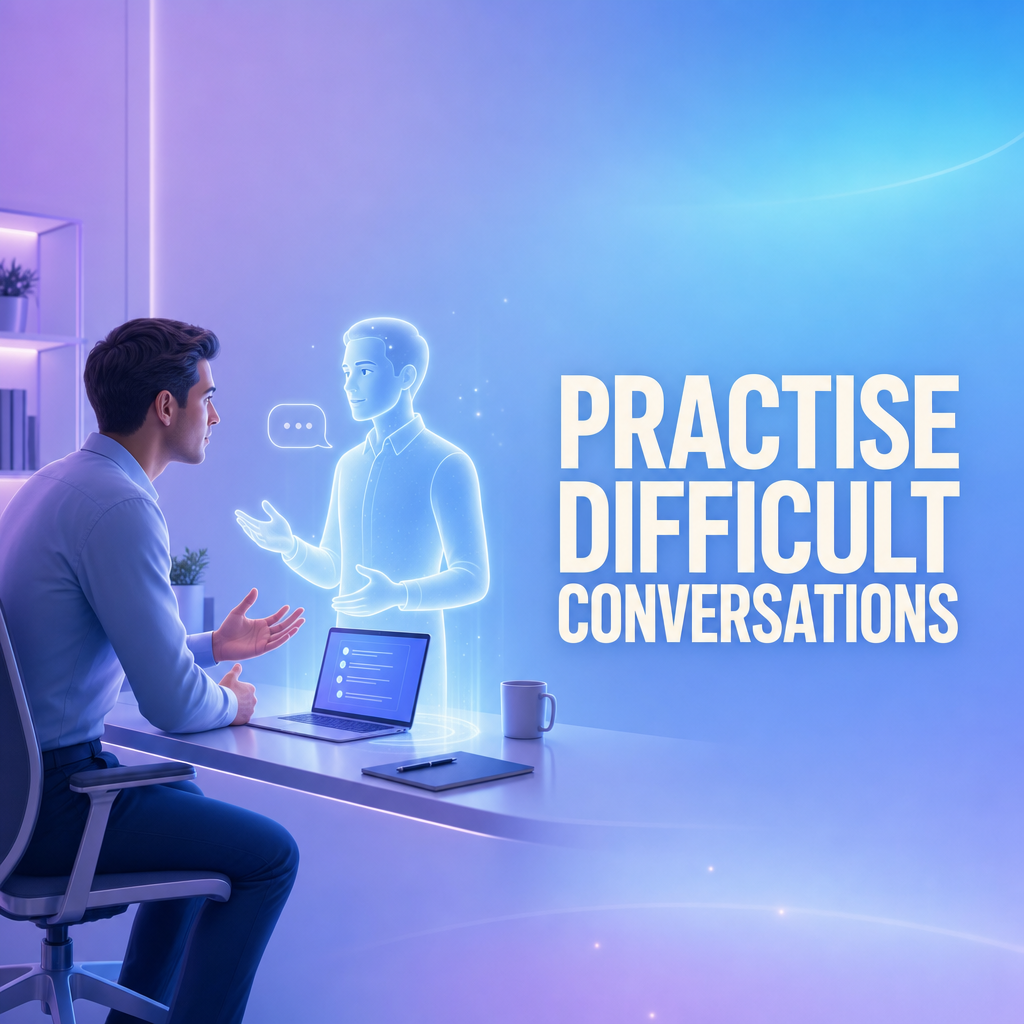
Midway through the experience, the emotional stakes rise when the task force must navigate a layoff scenario involving an age discrimination claim. Through a realistic role play, either in person or with AI powered characters, learners practice handling sensitive conversations with empathy, professionalism, and care. This simulation encourages deep reflection on ethical leadership, bias, and the human dimensions of organizational change.
Bringing Experiential Learning Into the Classroom
These three LiveCase simulations demonstrate the power of immersive learning experiences that place learners inside the complexity of real organizational life. Rather than analyzing decisions after the fact, participants must act, respond, and adapt as situations unfold. For educators, this creates richer discussion, deeper engagement, and clearer insight into how learners think and decide.
FAQs
Who are these LiveCase simulations designed for?
They are suitable for undergraduate, MBA, executive education, and professional learning environments depending on the course objectives.
Can these simulations be used online or in person?
Yes. All three simulations can be delivered synchronously or asynchronously and work well in both online and in person formats.
What makes these LiveCases different from traditional case studies?
Learners progress through the scenario by making decisions and interacting with characters, rather than reading a static document and discussing it after.
Do educators need technical setup to use these simulations?
No. LiveCase simulations are designed to be easy to deploy and can be integrated into existing teaching workflows.
How do these simulations support classroom discussion?
They give learners a shared, lived experience that surfaces different perspectives, decision paths, and outcomes to explore together.
Where can educators access these simulations?
They are available through Harvard Business Impact Education here, as well as the LiveCase catalogue. Demos and teaching notes for these cases are available upon request.
Conclusion
The release of these three new LiveCase simulations on Harvard Business Impact Education highlights a continued shift toward learning by doing. Whether exploring B2B relationships, navigating complex negotiations, or leading cultural change, these experiences give learners the opportunity to practice real decision making in realistic contexts. We congratulate the authors and thank the educators who continue to bring experiential learning into the classroom.
Share

Transform static learning intoimmersive AI simulations.
When students skip PDFs and disengage, LiveCase turns learning into a sequence of decisions, consequences, and active participation.
Trusted by world-leading educators & corporations
Author

Author: Amandine
Head of Marketing
Amandine believes learning isn't a straight path but a creative, evolving experience.With a Master's from Trinity College and a Bachelor's from Leeds University, she helps shape how LiveCase tells its story.Connecting innovation, design, and AI to transform how people learn and engage.Driven by curiosity and a belief in better ways to educate, she brings both strategy and imagination to every project.
Published: 1/29/2026